
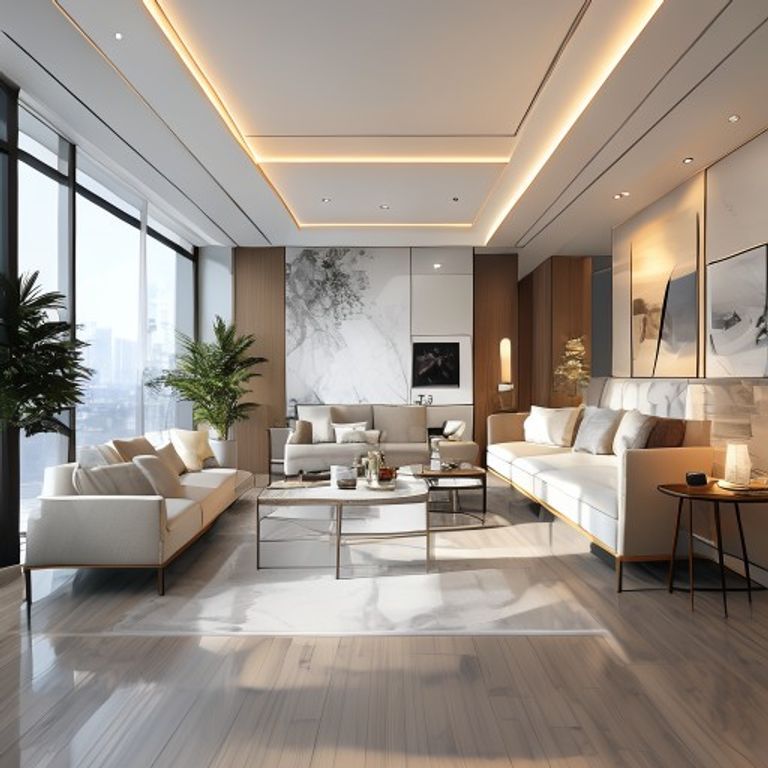
Rajkot, a vibrant city in Gujarat, India, is known for its rich culture and bustling economy. However, its climate presents a unique challenge for homeowners: scorching summers, sometimes coupled with high humidity, demand thoughtful and strategic approaches to home interiors. While many aspire to create modern, stylish spaces, the true art lies in **Designing** interiors that are not only aesthetically pleasing but also inherently cool and comfortable, especially in a climate like Rajkot’s. This is where the expertise of an interior designer becomes invaluable, transforming your home into a cool oasis without compromising on contemporary style. Efficient **Designing** goes beyond mere aesthetics; it’s about creating a living environment that responds intelligently to its surroundings, ensuring comfort and sustainability.
The goal is to mitigate heat gain, promote natural ventilation, and utilize materials that contribute to a cooler indoor environment. This comprehensive guide will explore five essential **Designing** tips that interior designers employ to achieve this balance, ensuring your Rajkot home remains a sanctuary of coolness and style. From material selection to smart technology integration, these strategies are crucial for anyone looking to optimize their living space for comfort and energy efficiency.
1. Strategic Material Selection for Optimal Designing in Rajkot
The choice of materials is perhaps the most fundamental aspect of climate-responsive **Designing**. In Rajkot’s heat, certain materials can absorb and radiate heat, turning your home into an oven, while others can actively contribute to a cooler indoor temperature. An experienced interior designer understands the thermal properties of various materials and selects them strategically for floors, walls, and furnishings.
For flooring, options like natural stone (such as marble or slate), terracotta tiles, and even polished concrete are excellent choices. These materials possess high thermal mass, meaning they absorb heat slowly and release it even slower, providing a naturally cool surface underfoot. Conversely, carpets, while comfortable, can trap heat and are generally less suitable for Rajkot’s climate unless used sparingly in air-conditioned zones.
Walls play a significant role in insulation. While traditional brick and concrete are common, considering finishes like lime plaster can offer better breathability and moisture regulation. Interior designers often recommend light-colored paints or natural finishes that reflect sunlight rather than absorbing it. This simple **Designing** choice can significantly reduce the amount of heat absorbed by the building envelope.
When it comes to furniture, opt for natural materials like wood, bamboo, cane, and cotton. Heavy, upholstered furniture with synthetic fabrics can trap heat and feel uncomfortable. Lightweight, breathable furniture pieces allow for better airflow and are easier to move, offering flexibility in your living spaces. The selection of fabrics for upholstery and drapes is equally important; natural fibers like linen and cotton are preferred for their breathability and cooling properties. This holistic approach to material **Designing** ensures every element contributes to a cooler home.
Embracing Local Materials in Your Designing Process
Incorporating locally sourced materials is not only sustainable but often highly effective for climate control. Rajkot and its surrounding regions offer a wealth of traditional materials perfectly suited for the local climate. For instance, traditional Indian construction often utilized thick walls and small windows to keep interiors cool, a principle that can be adapted in modern **Designing**. Clay tiles, specific types of stone, and even certain wood varieties found regionally are excellent for their thermal properties. An interior designer can help you integrate these elements seamlessly, ensuring your home reflects a modern aesthetic while benefiting from time-tested natural cooling techniques. This thoughtful **Designing** choice also supports local artisans and reduces the carbon footprint associated with transportation.
(Image opportunity: A living room in Rajkot featuring natural stone flooring, light-colored walls, and bamboo furniture. Alt text: Designing for Rajkot’s climate with natural materials.)
2. Mastering Ventilation and Airflow Through Designing
Effective ventilation is paramount in keeping a home cool, especially in a hot climate like Rajkot’s. A skilled interior designer focuses on maximizing natural airflow, reducing reliance on air conditioning, and enhancing indoor air quality. This involves strategic placement of windows, doors, and even internal partitions to create cross-ventilation and harness the stack effect.
Cross-ventilation occurs when openings on opposite sides of a room or building allow air to flow through. By carefully positioning windows and doors, an interior designer can create clear pathways for breezes to enter and exit, flushing out hot air and bringing in cooler air. The size and type of windows also matter; large, operable windows allow for maximum airflow, while louvers or jali screens can provide ventilation while maintaining privacy and filtering harsh sunlight.
The stack effect, or chimney effect, is another natural ventilation strategy that utilizes the principle that hot air rises. By incorporating openings at different heights (e.g., lower windows and higher vents or skylights), interior designers can encourage hot air to escape through the top, drawing cooler air in from below. This passive cooling technique is highly effective and energy-efficient. Thoughtful **Designing** of internal spaces can also facilitate this, such as creating double-height ceilings or voids that allow air to circulate freely upwards.
Innovative Window and Door Designing for Air Circulation
Beyond simple placement, the design of windows and doors themselves contributes significantly to airflow. Jali work, a traditional Indian architectural element, is an excellent example. These perforated screens not only offer privacy and aesthetic appeal but also allow air to pass through while diffusing harsh sunlight. Incorporating jali patterns into interior partitions or external window treatments can be a stylish and functional **Designing** choice. Similarly, adjustable louvers or blinds allow residents to control the amount of airflow and sunlight entering a room, offering dynamic climate control. Even the type of door, such as those with integrated ventilation panels, can make a difference in maintaining a comfortable indoor temperature. The careful consideration of these elements in the overall **Designing** plan is crucial for optimal thermal comfort.
(Image opportunity: A modern Rajkot home interior featuring large windows with jali screens, promoting cross-ventilation. Alt text: Effective Designing for natural ventilation in Rajkot.)
3. The Power of Color and Lighting in Climate-Responsive Designing
While often perceived as purely aesthetic, color and lighting choices have a significant impact on the thermal comfort and perceived coolness of a space. In Rajkot’s hot climate, these **Designing** elements are critical tools for an interior designer.
Light colors reflect heat, while dark colors absorb it. This fundamental principle is applied extensively in climate-responsive **Designing**. Walls painted in white, off-white, pastels, or cool tones like light blues and greens can make a room feel noticeably cooler and more spacious. These colors reflect natural light, reducing the need for artificial lighting during the day and preventing heat buildup. Conversely, using dark colors extensively, especially on large surfaces, can absorb heat and make a room feel warmer and more enclosed. An interior designer skillfully balances these color principles to create an inviting yet cool atmosphere.
Lighting design extends beyond simply illuminating a space; it’s about controlling heat gain. Incandescent bulbs, for example, generate a significant amount of heat, contributing to a warmer indoor environment. Modern **Designing** prioritizes energy-efficient LED lighting, which produces very little heat and offers a wide range of color temperatures and intensities. Strategic placement of fixtures can also minimize heat; avoiding direct, high-wattage lights in areas where people spend a lot of time can improve comfort. Maximizing natural daylight through large windows, skylights, and light-colored interiors reduces the need for artificial lighting during the day, thereby reducing heat generation and energy consumption. Proper curtain and blind selection also plays a role, allowing control over sunlight entry and heat gain. This intelligent approach to lighting is a key aspect of climate-conscious **Designing**.
Smart Lighting Designing for Comfort and Energy Efficiency
Integrating smart lighting solutions offers an advanced layer of climate control. Systems that automatically adjust brightness based on ambient light levels or occupancy can significantly reduce energy consumption and heat generation. Furthermore, smart blinds or curtains can be programmed to close during the hottest parts of the day, blocking direct sunlight and preventing heat gain. These technologies, when seamlessly integrated into the overall interior **Designing**, provide both comfort and convenience. An interior designer can help you select and implement these systems, ensuring they complement your home’s aesthetic while delivering maximum thermal benefits. This forward-thinking **Designing** approach is essential for modern, energy-efficient homes in Rajkot.
(Image opportunity: A bright, airy living room in Rajkot with light-colored walls and soft, indirect LED lighting. Alt text: Color and lighting Designing for a cool Rajkot home.)
4. Integrating Greenery and Water Features for Cooler Designing
Nature offers some of the most effective cooling solutions, and an interior designer can artfully integrate greenery and water features into your home’s **Designing** to harness these benefits. This approach, often referred to as biophilic design, connects occupants with the natural world, improving well-being and contributing to a cooler indoor climate.
Indoor plants are more than just decorative elements; they actively contribute to a cooler environment through a process called evapotranspiration. As plants release moisture into the air, they slightly cool the surrounding area. Large indoor plants, vertical gardens, or even strategically placed potted plants can lower ambient temperatures and improve indoor air quality. Plants also absorb solar radiation, preventing it from heating up walls and surfaces. An interior designer can help select appropriate plant species that thrive indoors in Rajkot’s climate and integrate them aesthetically into your living spaces, perhaps creating a green wall or a serene indoor garden corner. This element of **Designing** adds life and freshness to your home.
Water features, even small ones, can also have a significant cooling effect. The evaporation of water absorbs heat from the surroundings, creating a microclimate that feels cooler. An indoor fountain, a small pond, or even a water wall can be a beautiful and functional addition to your home. Beyond the cooling benefits, the gentle sound of flowing water creates a calming and tranquil atmosphere. When planning such features, an interior designer considers factors like humidity levels, maintenance, and overall aesthetic integration to ensure they enhance rather than detract from the space. The strategic placement of these elements is a refined aspect of climate-responsive **Designing**.
Biophilic Designing: Bringing Nature Indoors for Rajkot’s Homes
Biophilic **Designing** goes beyond simply adding plants; it’s about creating an environment that mimics natural systems and patterns, fostering a deeper connection with nature. This could involve using natural textures and patterns, maximizing views of greenery, or incorporating natural light in ways that simulate outdoor conditions. For Rajkot’s climate, this means creating serene, nature-infused spaces that feel like a respite from the heat outside. An interior designer can craft spaces that combine lush indoor plants, natural stone, and ample natural light to evoke a sense of being outdoors, thereby enhancing comfort and well-being. This thoughtful approach to **Designing** contributes to a healthier, cooler, and more harmonious home environment.
(Image opportunity: An indoor courtyard or living area with a small water feature and lush tropical plants. Alt text: Biophilic Designing for a cooler home in Rajkot.)
5. Smart Home Technology and Energy-Efficient Designing Solutions
In the era of smart living, technology offers powerful tools for optimizing home comfort and energy efficiency, particularly in challenging climates. Integrating smart home technology into your interior **Designing** can provide unparalleled control over your home’s climate, allowing for a cool and comfortable environment with minimal effort.
Smart thermostats are a prime example. These devices learn your preferences and adjust heating and cooling based on occupancy, time of day, and even external weather conditions. For Rajkot, this means your AC can be programmed to cool your home only when needed, or to pre-cool it before you arrive, saving energy and ensuring immediate comfort. Similarly, automated blinds or curtains can be programmed to close during peak sun hours, preventing heat gain, and open when the sun is less intense, allowing for natural light and views. An interior designer works with smart home specialists to seamlessly integrate these systems into your home’s aesthetics, ensuring controls are intuitive and hidden when not in use.
Beyond thermostats and blinds, other energy-efficient **Designing** solutions include zoning for air conditioning, allowing you to cool only the rooms you are using, and integrating ceiling fans with smart controls. Ceiling fans, when used in conjunction with AC, can make a room feel significantly cooler, allowing you to set your thermostat a few degrees higher and save energy. Smart ventilation systems can also monitor indoor air quality and humidity, activating fans or dehumidifiers as needed. The key is to create an integrated system where various technologies work in harmony to maintain optimal comfort and efficiency.
Future-Proof Designing with Smart Climate Control
Investing in smart home technology is an investment in the future comfort and value of your home. As technology evolves, so too do the possibilities for climate control and energy management. An interior designer considers not just current trends but also future-proofing your home, ensuring that the chosen systems are scalable and adaptable. This might involve planning for integrated solar power solutions, energy recovery ventilation, or advanced home automation platforms that can manage everything from lighting to security. By embracing these intelligent **Designing** solutions, homeowners in Rajkot can enjoy a home that is consistently cool, energy-efficient, and responsive to their needs, truly embodying modern living. This forward-thinking **Designing** ensures your home is equipped for current and future climate challenges.
(Image opportunity: A minimalist living room showing a smart thermostat on the wall and automated blinds. Alt text: Smart home technology in Designing for Rajkot’s climate.)
Conclusion
Creating a home that is both cool and stylish in Rajkot’s challenging climate requires a thoughtful and integrated approach to interior **Designing**. It’s about more than just aesthetics; it’s about understanding thermal dynamics, leveraging natural resources, and embracing innovative technologies. By strategically selecting materials that reflect heat, optimizing ventilation for natural airflow, utilizing color and lighting to create a cool ambiance, integrating natural elements like plants and water, and incorporating smart home technology, an interior designer can transform your living space into a comfortable and energy-efficient sanctuary.
These five essential **Designing** tips demonstrate how a holistic perspective can lead to a home that not only looks beautiful but also performs exceptionally well under local climatic conditions. The expertise of an interior designer is crucial in navigating these complexities, ensuring every decision contributes to a cooler, more sustainable, and ultimately more enjoyable home. Don’t let Rajkot’s heat dictate your comfort or style. Embrace smart, climate-responsive **Designing** to create a modern space that truly thrives.
Ready to transform your Rajkot home into a cool and stylish haven? Contact a professional interior designer today to explore how these **Designing** principles can be tailored to your unique needs and preferences, creating a home that is both beautiful and perfectly adapted to its environment.